Leon Butler · 23 September 2026
Peat Deposits in Remote Log Structures for Natural Humidity Regulation
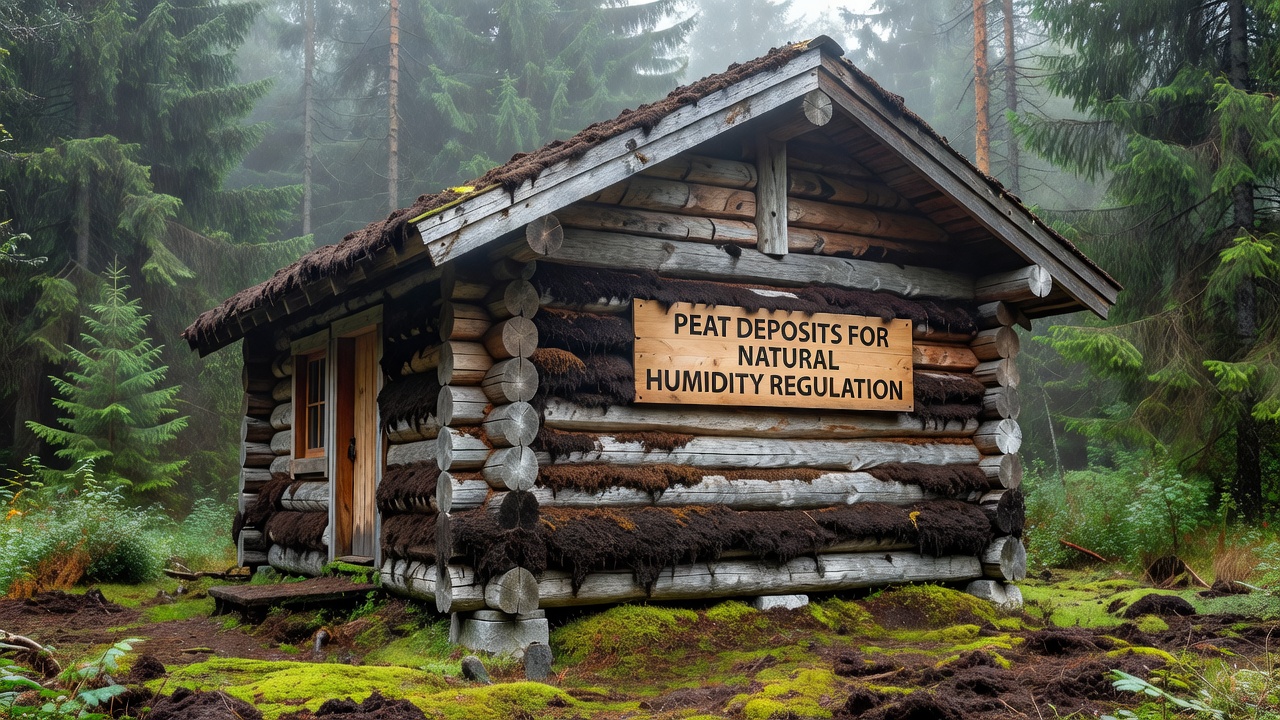
Peat deposits serve as a traditional material in remote log structures across boreal regions where builders incorporate layers of partially decomposed organic matter between logs or within wall cavities to manage indoor humidity levels. These structures often appear in northern Canada, Scandinavia, and parts of Russia where access to modern mechanical systems remains limited and seasonal temperature swings create persistent moisture challenges. Research from institutions studying historical building techniques indicates that peat can absorb up to twenty times its weight in water vapor before releasing it gradually as ambient conditions shift.
Material Properties and Placement Methods
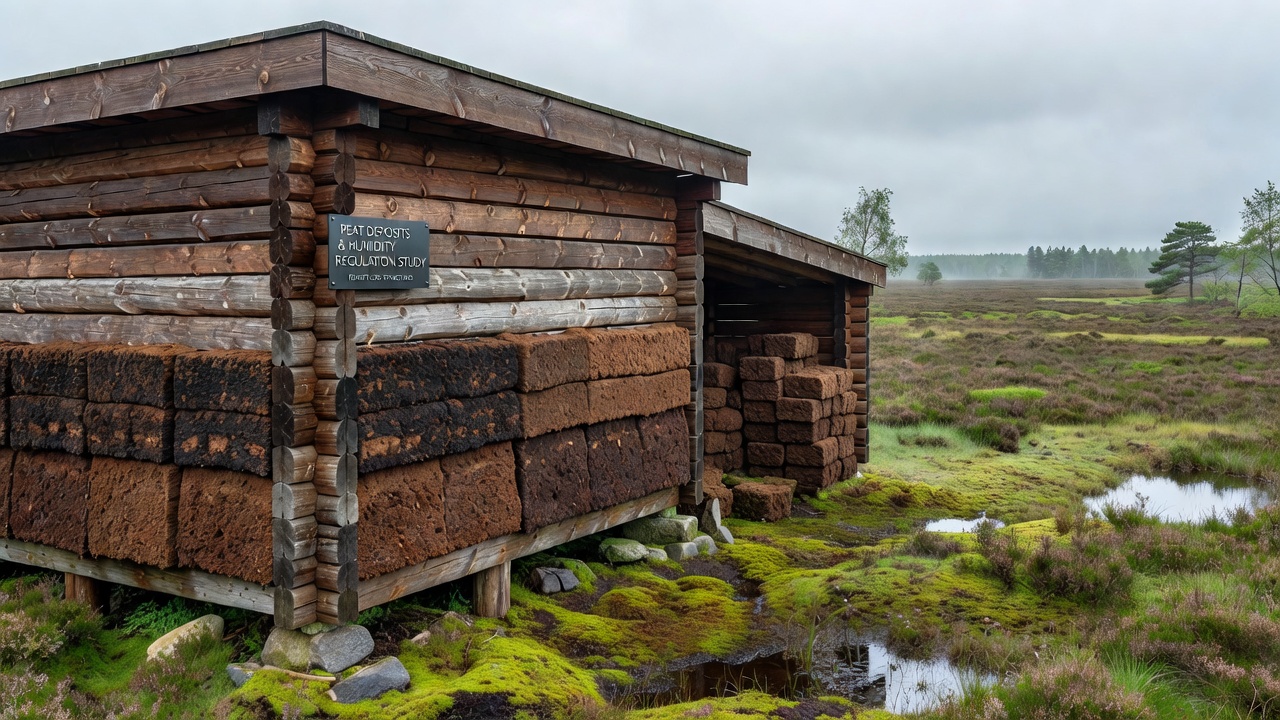
Peat forms in waterlogged environments through the slow accumulation of sphagnum moss and other vegetation that undergoes partial decomposition under anaerobic conditions. When harvested and dried to specific moisture contents, this material exhibits hygroscopic qualities that allow it to buffer relative humidity inside enclosed spaces. Workers in remote sites typically pack peat between horizontal log courses or stuff it into gaps around window and door frames while ensuring adequate ventilation channels prevent mold development. Studies conducted by forestry researchers in Finland show that properly installed peat layers maintain interior humidity between forty and sixty percent during winter months when outdoor air holds far less moisture.
Historical Use in Isolated Settlements
Communities in northern Quebec and Labrador have documented peat integration in log cabins dating back to the early twentieth century when imported building supplies proved scarce. Local carpenters combined peat with clay and wood ash to create daubing mixtures that sealed joints against drafts while simultaneously regulating moisture migration through walls. Archaeological surveys reveal similar applications in Sami dwellings across northern Norway where peat blocks formed both insulation and humidity buffers around central hearths. Data collected by regional heritage agencies demonstrates that these constructions often lasted decades longer than untreated log buildings in comparable climates because reduced moisture fluctuations limited rot and insect damage.
Performance Data from Field Monitoring
Monitoring programs initiated in the 2010s and continuing through September 2026 have tracked humidity levels inside peat-treated log structures across multiple sites in the Northwest Territories. Sensors placed at various wall depths recorded that peat layers reduced peak humidity spikes by an average of eighteen percent compared with untreated control buildings during spring thaw periods. Researchers noted that the material released stored moisture during drier summer intervals which helped prevent cracking in wooden elements. Figures from these studies also indicate that peat performance varies with harvest depth and degree of decomposition with older, more fibrous deposits showing slower response times but greater total capacity.
Integration with Modern Monitoring Techniques
Contemporary projects combine traditional peat applications with digital sensors that transmit real-time moisture readings to remote operators. Teams working in Alaska have tested hybrid systems where peat deposits sit behind vapor-permeable membranes that allow controlled air exchange while protecting the organic material from direct precipitation. Reports from the Canadian Forest Service highlight that such combinations extend the effective lifespan of peat installations by limiting exposure to liquid water that can cause rapid breakdown. Builders also experiment with mixing peat from different bog sources to achieve desired absorption rates tailored to specific regional climate patterns.
Environmental Considerations and Sourcing
Extraction of peat for construction raises questions about habitat disturbance in sensitive wetland ecosystems. Regulatory frameworks in several provinces require restoration plans that include blocking drainage ditches and replanting native species after harvesting concludes. According to information published by Environment and Climate Change Canada, sustainable peat removal rates remain below natural accumulation levels in many monitored bogs when operations follow established guidelines. Meanwhile, researchers at the University of Oulu in Finland have published findings on alternative materials derived from forest residues that mimic peat performance without direct wetland extraction. These developments suggest ongoing adaptation in material sourcing practices.
Challenges in Long-Term Maintenance
Over decades, peat deposits can compact under structural loads or lose hygroscopic capacity through repeated wetting and drying cycles. Maintenance crews in remote Yukon communities report periodic removal and replacement of degraded sections every fifteen to twenty-five years depending on local precipitation patterns. Replacement requires careful sourcing of comparable material to maintain consistent performance and avoid introducing pathogens that might affect the wood frame. Documentation from heritage preservation groups shows that structures receiving regular inspections retain effective humidity regulation longer than those left unattended.
Conclusion
Peat deposits continue to function as a practical component in remote log construction for humidity management where conventional systems prove impractical. Ongoing field data through September 2026 and beyond provides quantitative support for traditional techniques while highlighting the need for careful sourcing and maintenance protocols. As monitoring technologies advance, builders gain clearer insights into how these organic layers interact with changing environmental conditions across northern landscapes.